

- access_time09 November 2025
- account_circleJuan Dangelo
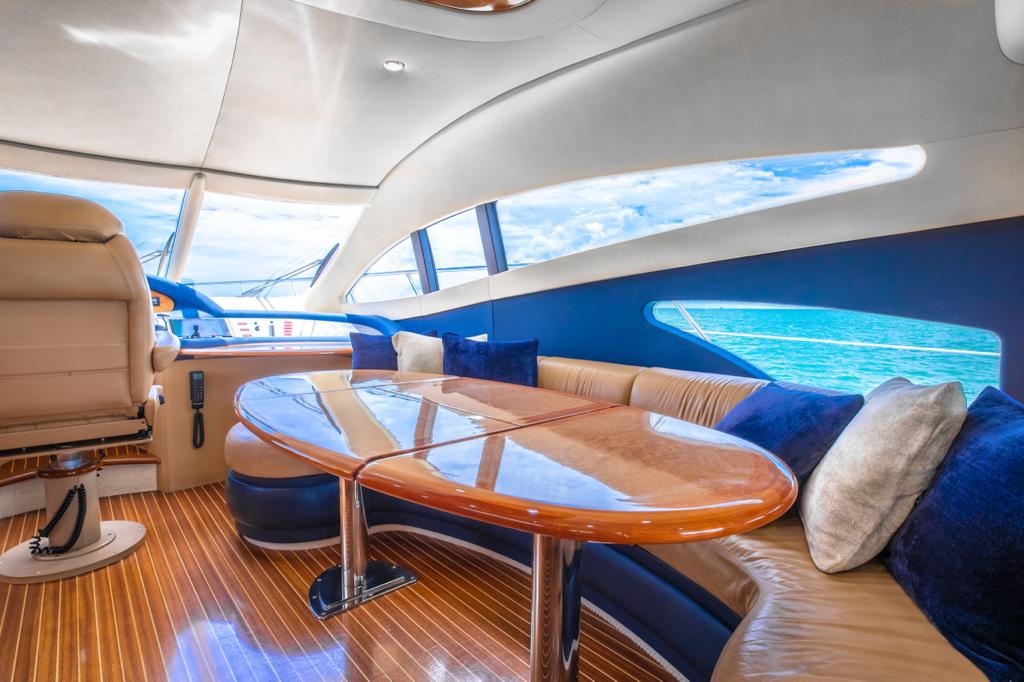
When owners think “detailing,” they often picture hull sheen and topside gloss. But the real value quietly lives below deck. Salons, staterooms and galleys are high-touch, high-humidity spaces where dust, body oils, salt air and food residues can shorten the life of fabrics, leather, wood finishes and soft goods. A disciplined interior-detailing routine keeps your boat healthier, fresher and looking new—while preventing costly replacements.
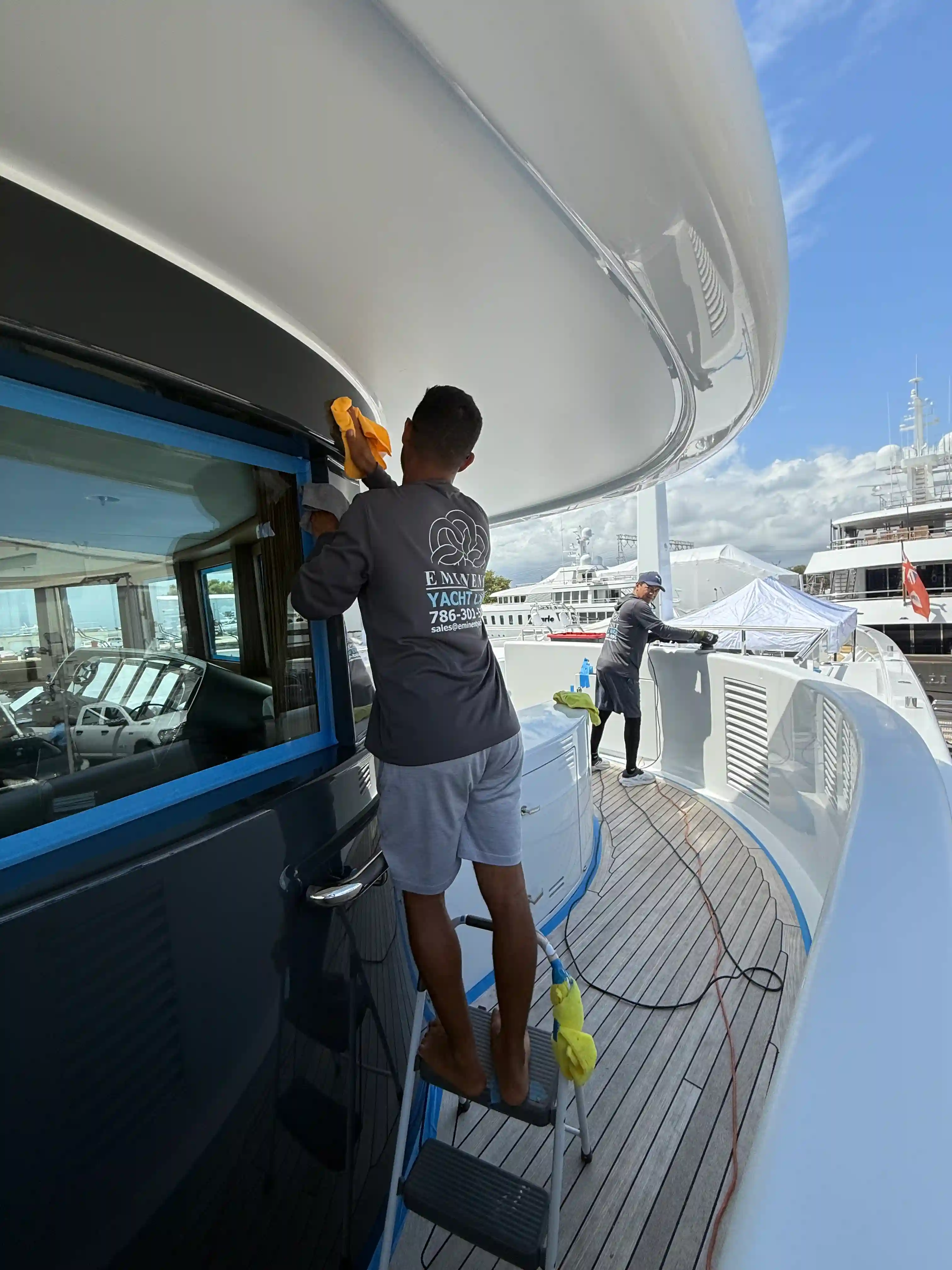
If you want a turnkey interior service, our team can help: explore our full program here: Eminent Yacht – Yacht Detailing.
Why Interior Detailing Matters
-
Protects materials: Upholstery, leather and lacquered woods break down faster without proper cleaning and conditioning.
-
Prevents mildew: Marine environments invite moisture. Pro-grade products and correct drying reduce mold risk and odors.
-
Preserves value: Boats with crisp interiors and clean galleys photograph better, show better and sell better.
-
Improves onboard health: Regular sanitizing lowers the microbial load where you relax, cook and sleep.
For background on mold control in damp environments, see guidance from CDC: Mold Cleanup and Remediation and boat-specific tips from BoatUS: Mold & Mildew on Boats.
The Core Interior Routine (Room by Room)
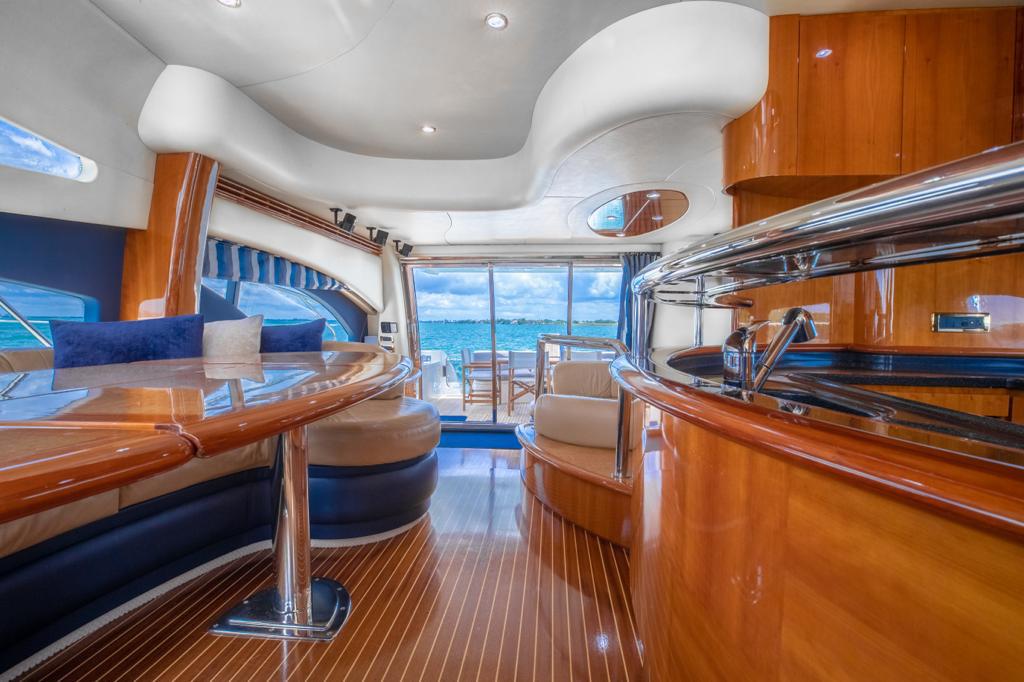
1) Salons: Deep Vacuuming & Fabric Protection
Goal: Remove embedded soils before they abrade fibers, then add invisible protection.
-
Deep vacuuming: Use crevice tools and a brush head to lift dust from seams, welting and under cushions. A HEPA-equipped vacuum captures fine particulates that cause odors and wear.
-
Spot treatment: Address spills promptly with fabric-safe spotters; blot, don’t rub.
-
Full textile rinse/clean: Periodically hot-water extract or low-moisture clean based on fabric spec.
-
Fabric protectors: Apply marine-safe, water- and oil-repellent protectants to seat bases, settees and carpet runners. These create a barrier that slows staining, helps liquids bead and makes routine cleanups faster—key to preventing mildew and preserving colorfastness.
Pro tip: After cleaning and protecting, promote airflow. Open hatches (weather permitting) or run dehumidification to ensure fibers dry fully.
2) Staterooms: Leather Conditioning & Allergen Control
Goal: Keep leather supple, zippers smooth and sleeping spaces fresh.
-
Vacuum mattresses and under-berth storage to remove salt dust and skin cells that feed odor.
-
Leather care (headboards, settees):
-
Clean: Wipe with a pH-balanced leather cleaner to lift body oils and sunscreen residues (which can darken and stiffen hides).
-
Condition: Follow with a non-greasy conditioner to replenish natural oils and resist cracking. Avoid silicone-heavy dressings that can leave a shine but starve leather over time.
-
-
Hardware & linens: Lubricate zippers lightly, launder linens with an odor-neutral detergent, and rotate pillows to equalize wear.
Pro tip: Maintain humidity under control (40–50% where possible). Mildew loves dark, stagnant air—especially in hanging lockers.
3) Galleys: Food-Safe Sanitizing & Appliance Detailing
Goal: Eliminate grease films, kill microbes and keep waterlines odor-free—without harming surfaces.
-
Degrease high-touch zones: Cabinet pulls, appliance fronts and backsplash areas collect invisible film that traps smells. Use a galley-safe degreaser followed by a rinse.
-
Sanitize counters & cutting areas: Apply food-contact-safe sanitizers with proper dwell time (check label). Finish with potable-water rinse if required.
-
Appliance interiors:
-
Fridge/freezer: Defrost, wipe out condensation channels, disinfect door gaskets and deodorize with baking-soda traps.
-
Microwave/oven: Steam-loosen residues, then wipe.
-
-
Sinks & drains: Clean strainers, treat P-traps with enzyme cleaners, and flush regularly to prevent biofilm odors.
-
Water spots & fixtures: Polish taps and rails to remove mineral spotting; a light protectant helps resist new marks.
Pro tip: Keep a small desiccant canister or powered dehumidifier running when the boat is closed to suppress odor formation between trips.
4) Woodwork: Polish, Protect & Prevent UV Fade
Goal: Maintain luster and defend against micro-scratches and sun.
-
Dusting: Use microfiber first to avoid dragging grit across finishes.
-
Finish-safe cleaners: Choose products that match your finish (varnish, oil, urethane).
-
Polishing: Apply fine furniture polish or polymer protectant sparingly; buff to an even, non-greasy sheen. This fills micro-marring and slows fingerprinting.
-
UV awareness: Sunlight through hatches can fade veneers. Consider UV films or shades; rotate décor items to avoid ghosting.
Pro tip: Never use abrasive pads on high-gloss panels—micro-swirls are brutally visible under cabin lighting.
How Pros Prevent Mildew & Preserve Fabrics
-
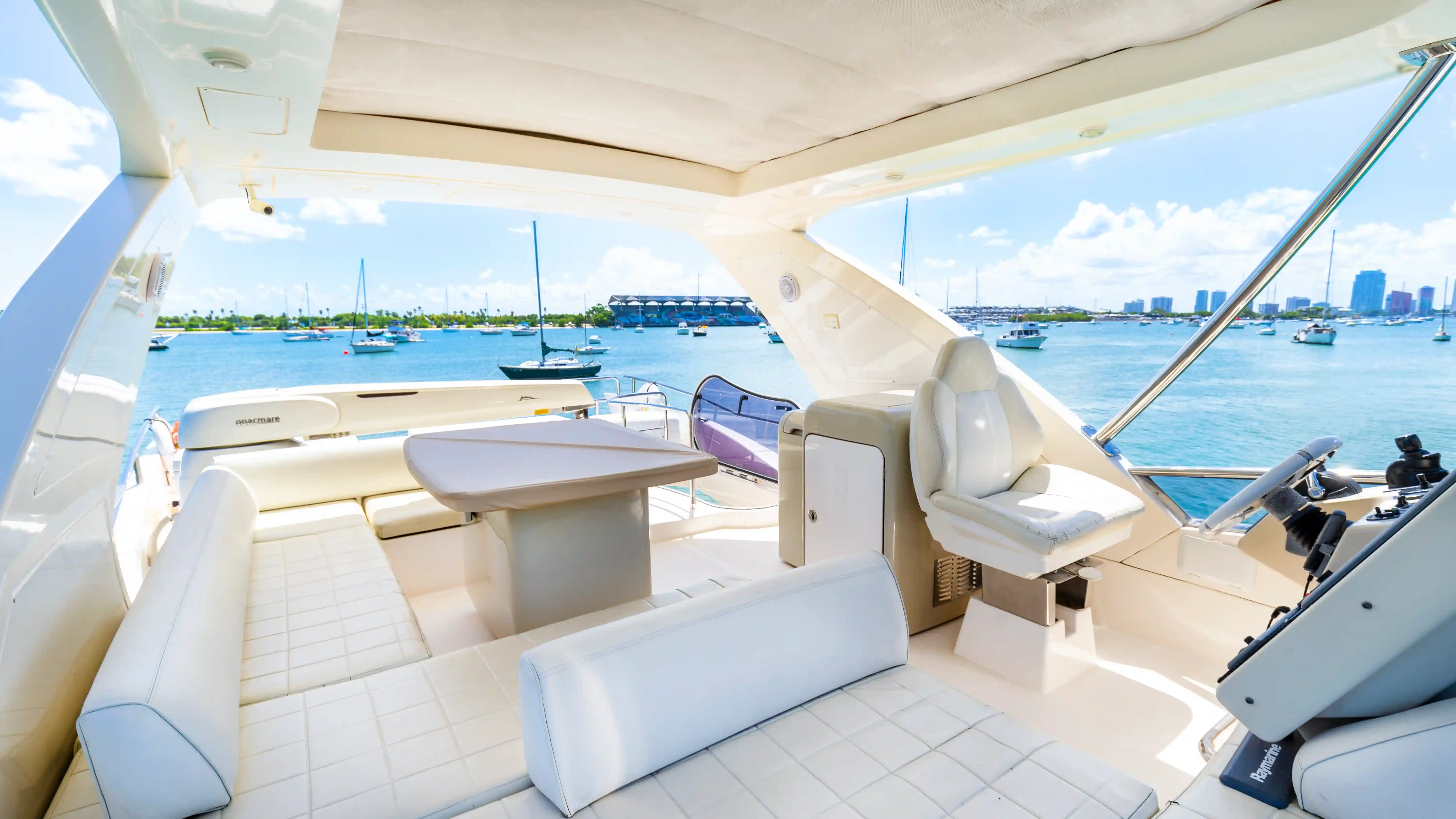
Moisture management: Systematic ventilation, dehumidifiers and desiccants interrupt the moisture-mildew cycle.
-
Right chemistry: pH-balanced cleaners for leather and textiles prevent dye lift and fiber burn.
-
Residue control: Rinsing after degreasing stops sticky films that attract dust.
-
Protective barriers: Fabric and wood protectants reduce absorption and make subsequent cleaning gentler—extending material life.
-
Scheduled care: Light, frequent maintenance beats infrequent heavy scrubs that stress materials.
Interior Detailing Frequency Guide
-
Every trip: Quick vacuum of traffic lanes, wipe galley counters, ventilate cabins.
-
Monthly (in-season): Full vacuum, spot treat upholstery, sanitize galley, wipe leather.
-
Quarterly: Fabric protector top-ups, leather conditioning, appliance deep clean, wood polish.
-
Pre-/Post-season: Comprehensive interior detail with dehumidification plan for lay-up.
DIY vs. Professional Interior Detailing
You can (and should) handle light upkeep. But a professional interior detail brings:
-
Material-specific chemistry that protects delicate leathers, velours and veneers.
-
Extraction equipment to remove deeply embedded soils and salt.
-
Moisture control plans tailored to your slip, climate and cruising routine.
-
Consistency—the #1 factor in keeping interiors looking “day-one” year after year.
Red Flags That Mean It’s Time
-
Musty odor on boarding
-
Darkening or stiffening of leather touch points
-
Water spots or dullness on wood panels
-
Cloudy fridge odors even after a quick wipe
-
Visible shadowing on fabric traffic areas
The earlier you address these signs, the less aggressive (and less expensive) the remedy.
The Takeaway
Interior detailing isn’t just “nice to have.” It’s a maintenance strategy that keeps salons welcoming, staterooms restful and galleys truly food-safe—while extending the life of every soft and hard surface aboard. Deep vacuuming, leather conditioning, fabric protection, wood polishing and proper galley sanitizing form the backbone of that strategy. Combine them with moisture control, and you’ll fend off mildew, protect fabrics and preserve long-term value.
Want to see how a pro package would look for your boat? Check our service overview: Eminent Yacht – Yacht Detailing. Ready to get a quote or book? Contact Eminent Yacht.
Recent Posts
- Created at : 16 December 2025
- Created at : 16 December 2025
- Created at : 29 November 2025