

- access_time06 October 2025
- account_circleJuan Dangelo
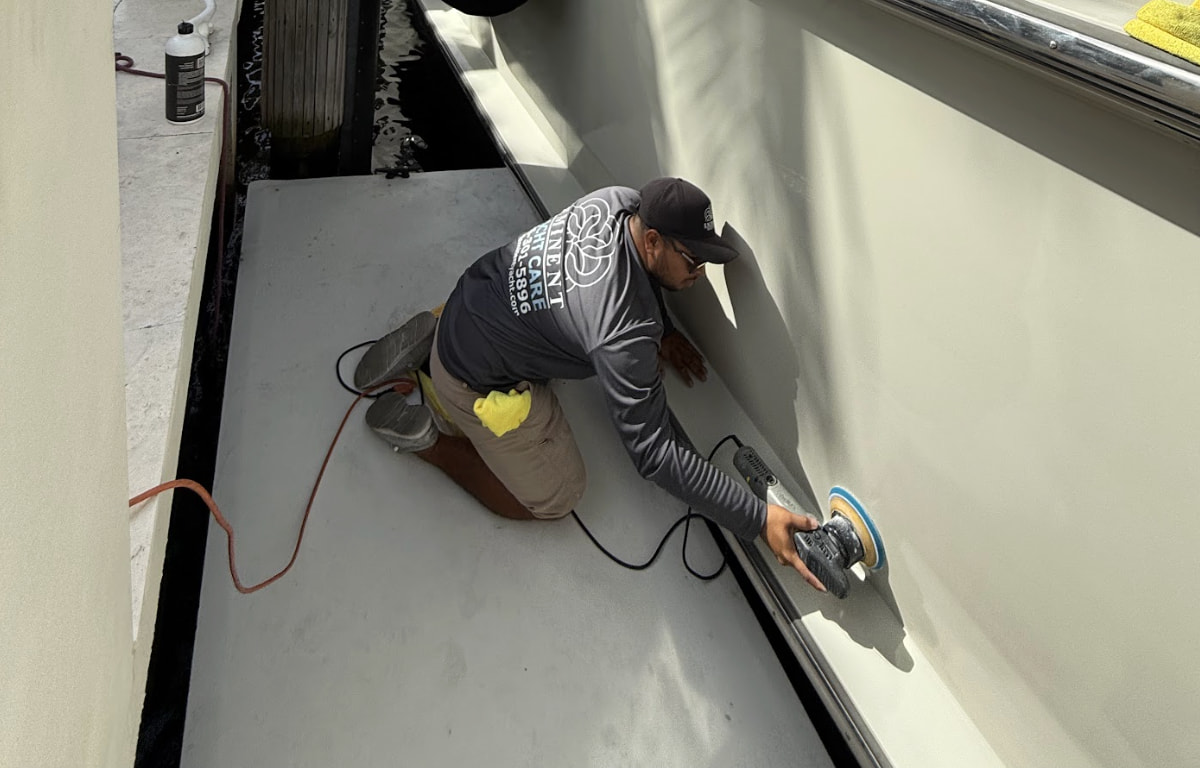
A glossy hull isn’t just for show—it’s your gelcoat’s first line of defense. When oxidation sets in, the surface turns chalky and dull, traps contaminants, and becomes harder to clean. Left untreated, that cosmetic decline accelerates wear and can reduce resale value by 15–30%. The good news: with the right routine—clean, correct, protect—you can stop the slide and keep that mirror finish.
Why gelcoat oxidizes
Gelcoat is a resin-rich outer layer that naturally degrades under UV exposure and oxygen. Heat, salt spray, and standing moisture speed things up. As polymers break down, the surface gets porous and powdery (that white residue on your fingers), and color loses depth.
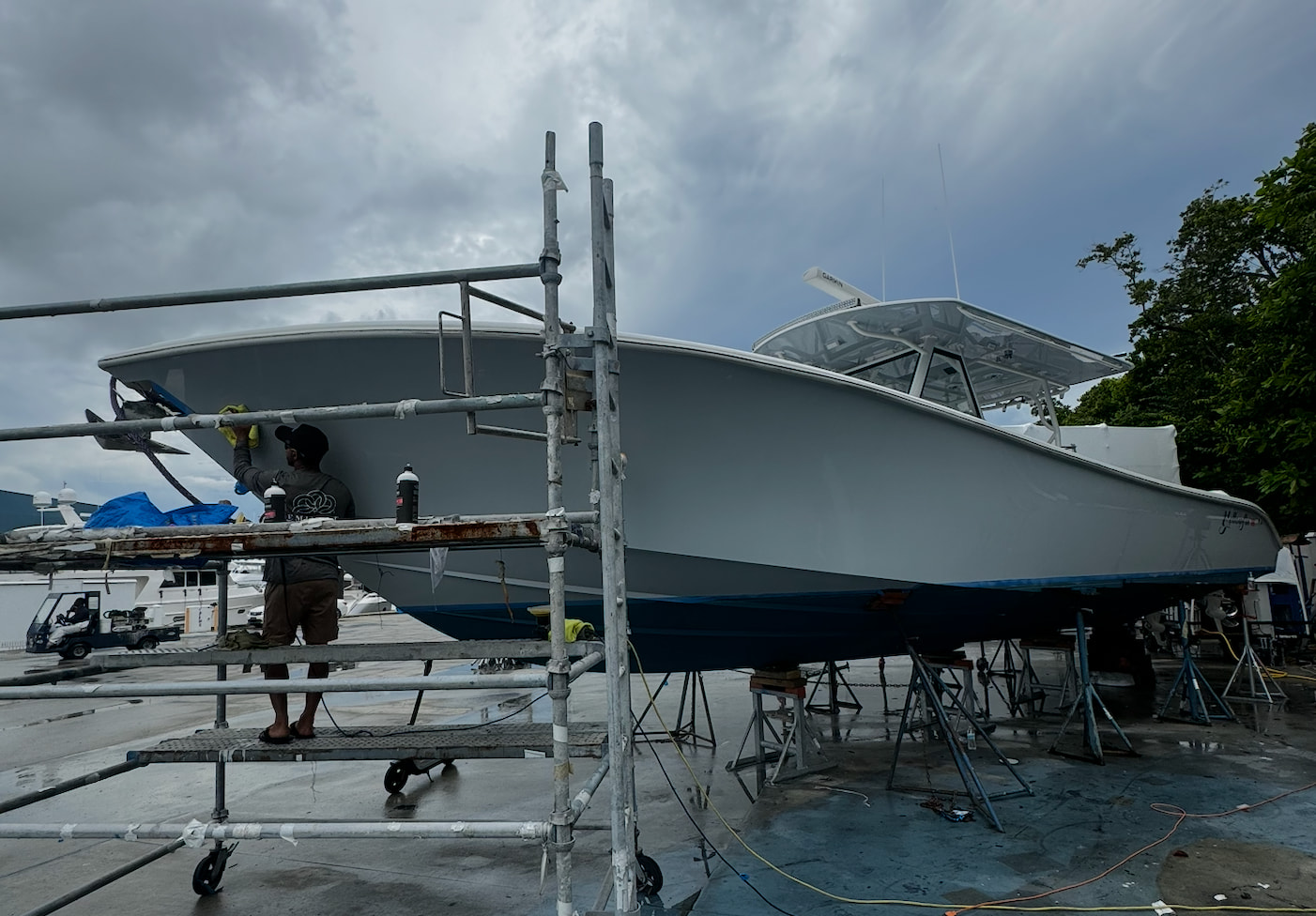
Early warning signs to catch
-
Dull, chalky look that won’t brighten after a normal wash
-
Flat reflections and faded color tone
-
Swirl marks/holograms you can see in sunlight
-
Poor water behavior (water sheets or clings instead of beading)
The proven process: clean → correct → protect
1)
Proper washing & decontamination
Rinse
thoroughly after outings, then use a marine-safe wash. For
bonded grime, add decontamination (e.g., clay or equivalent) so
you’re not grinding grit into the surface during
polishing.
2)
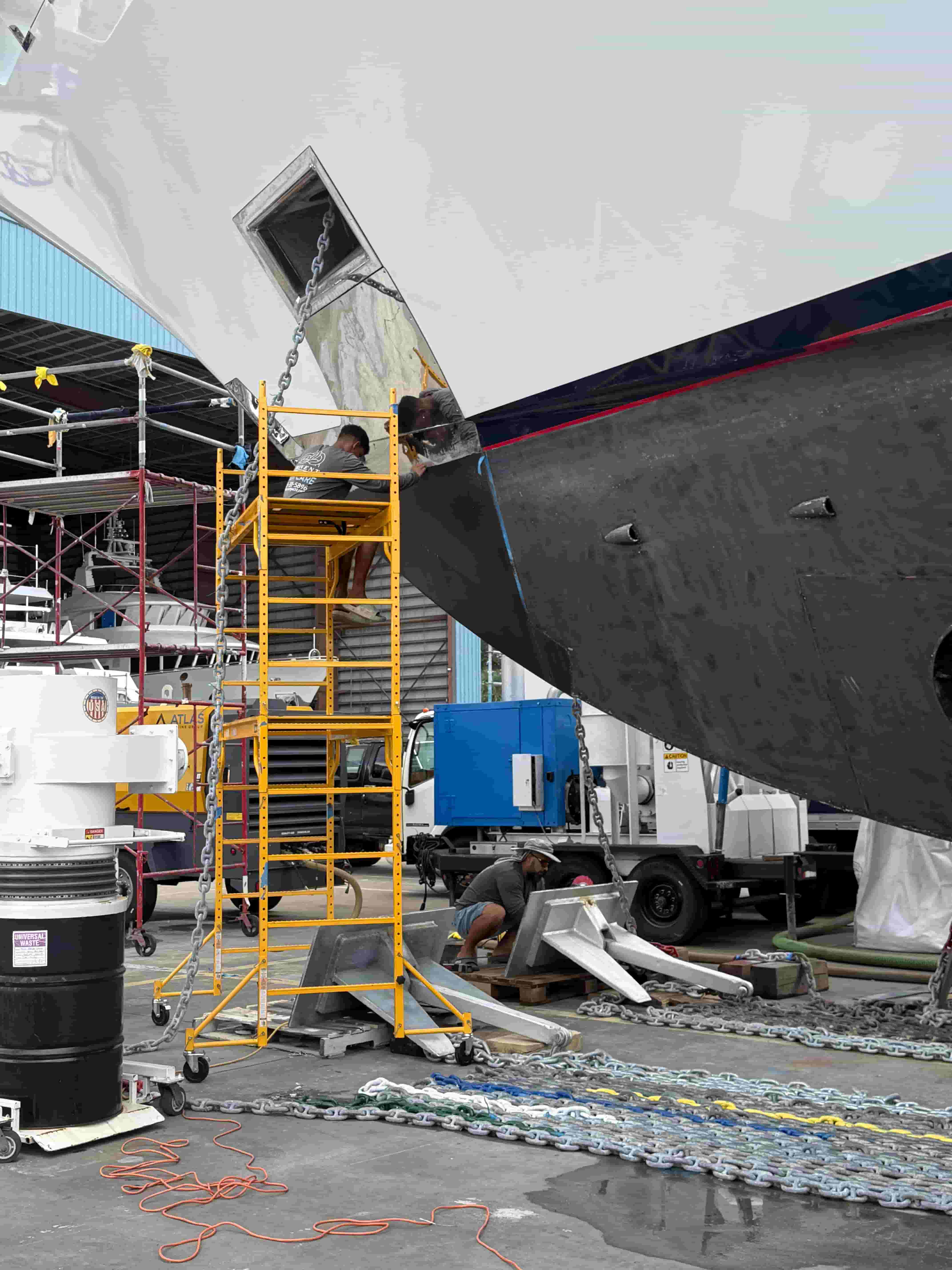
Paint correction (machine polishing)
Remove
oxidation mechanically with the least-aggressive step that
works: finishing polish for light haze; compound → polish for
moderate oxidation; measured wet-sanding only for severe cases.
The goal is to level the oxidized top layer and reveal sound
gelcoat beneath.
3)
Seal the finish
Lock in the gloss with a marine
wax, sealant, or ceramic coating. This reduces UV/oxygen
penetration, slows future oxidation, and makes routine washes
faster and more effective. Reapply on schedule based on use and
sun exposure.
Prevention that pays
-
Slows wear and staining by keeping pores sealed
-
Reduces surprise repairs because issues are caught during correction
-
Keeps cleaning easy (protected gelcoat releases grime quickly)
-
Protects resale with a documented history and visibly superior finish
DIY or pro?
-
Light haze: a single-step cleaner wax or fine polish can help.
-
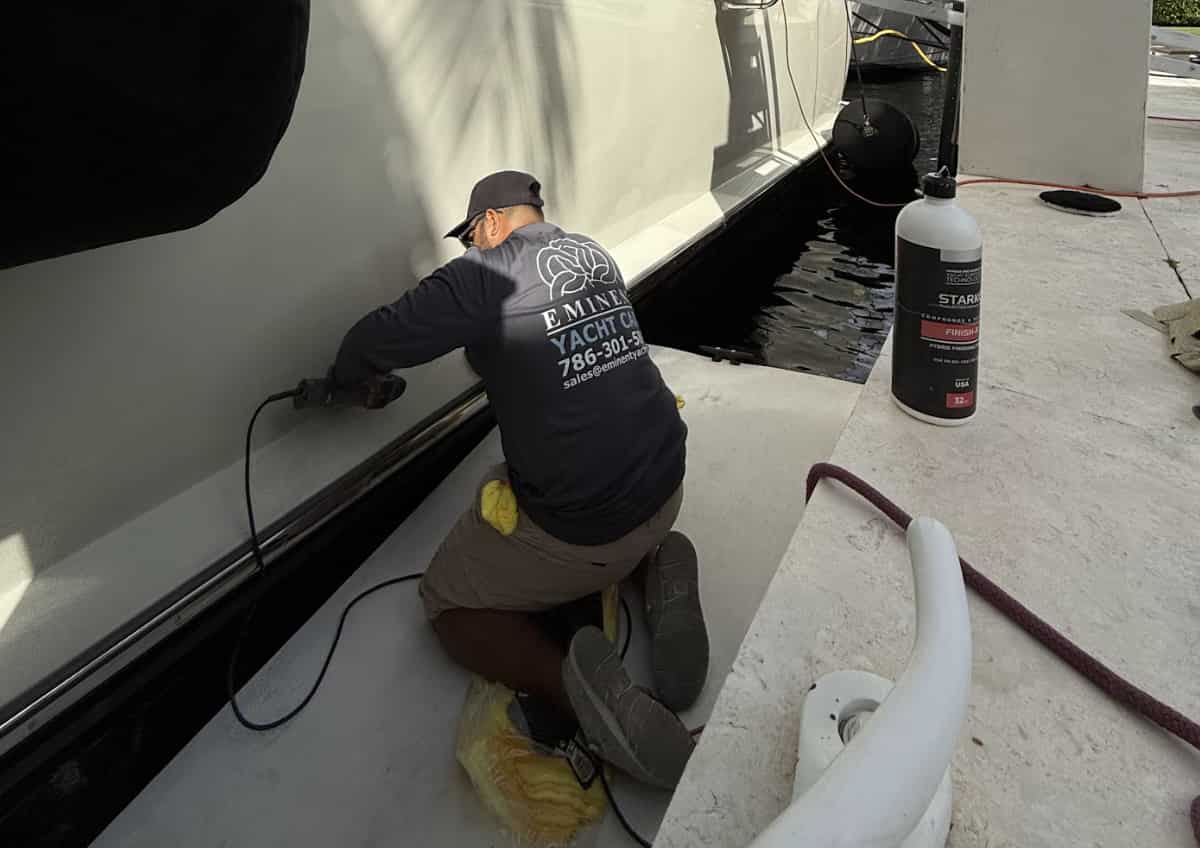
Moderate to heavy oxidation: save time (and clear coat thickness) with professional paint correction—test spots, correct pad/compound combos, controlled heat, and proper finishing—then seal.
Make it effortless with Eminent’s Paint Correction
Eminent restores depth and gloss to oxidized gelcoat with a measured, multi-stage approach: inspection, targeted compounding/polishing to remove haze and swirls, and the right protective layer for your cruising pattern. Pair it with routine washes and scheduled top-ups, and oxidation doesn’t stand a chance.
Ready to bring back the mirror finish—and keep it?
Ask about Eminent’s paint correction and protective packages to build a simple, season-long plan that preserves shine and value.
Recent Posts
- Created at : 16 December 2025
- Created at : 16 December 2025
- Created at : 29 November 2025