

- access_time09 September 2025
- account_circleJuan Dangelo
- Paint Correction
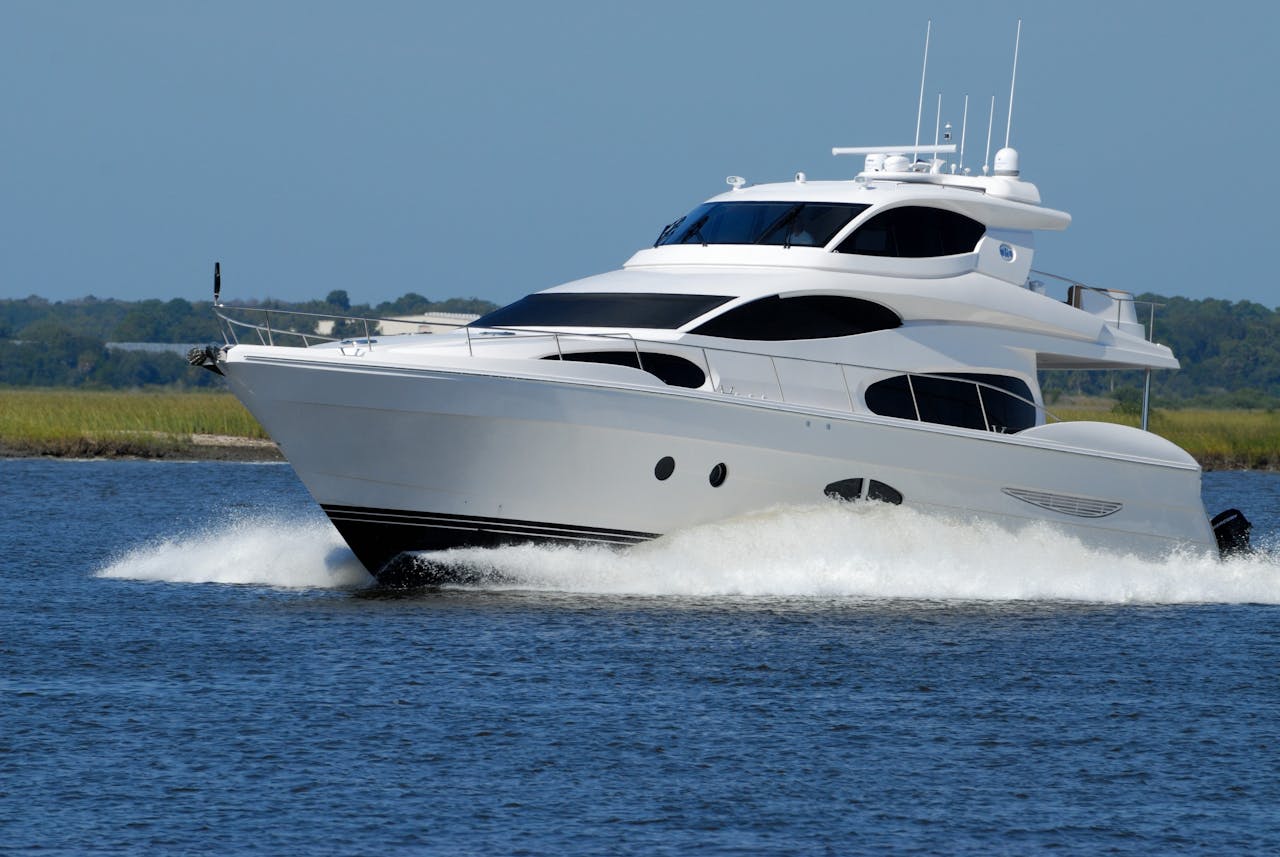
Owning a boat means periodically renewing its protective finishes. Unlike home paint, marine coatings have to cope with constant moisture, ultraviolet light, salt, fuel spills and physical abrasion. Selecting the right paint and applying it correctly will protect your investment and improve performance. This guide summarises the main paint types and offers practical advice on choosing products for different parts of your vessel.
Understanding the major categories of marine paint
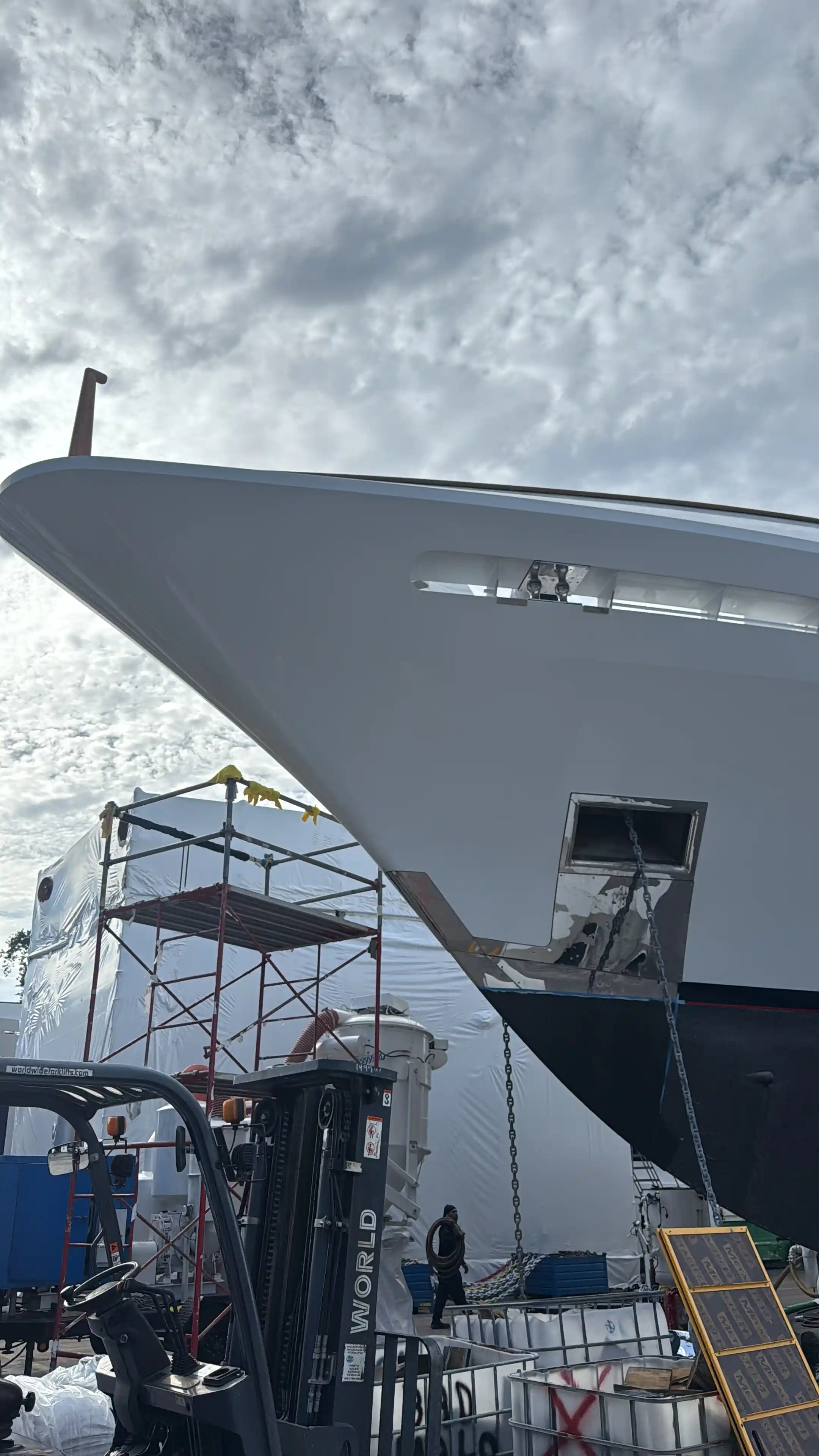
Boat paints are designed for specific functions and parts of the vessel. Marine‑coatings manufacturers divide them into four main groups: antifouling paints, epoxy coatings, polyurethane topcoats and alkyd enamels. Each serves a different purpose:
-
Antifouling paints are applied below the waterline to prevent barnacles, algae and other marine organisms from attaching to the hull; they work by slowly releasing biocides.
-
Epoxy coatings are two‑part systems that produce a very hard, water‑resistant film; they are used as primers and barrier coats to prevent osmosis in fiberglass or corrosion on metals. Epoxies bond well to steel, aluminium and fiberglass and make an excellent foundation for other paints.
-
Polyurethane paints (usually two‑part) provide a durable, high‑gloss topcoat with excellent UV resistance and abrasion resistance for areas above the waterline. Single‑part polyurethane paints offer similar appearance but are easier for do‑it‑yourself projects.
-
Alkyd enamels are traditional one‑part paints. They are easy to apply and flow well, making them a good choice for wood, but they are less durable than epoxies or polyurethanes.
When painting a boat, you may use several of these products together: an epoxy primer for adhesion and corrosion resistance, a polyurethane topcoat for UV protection and gloss, and an antifouling bottom paint below the waterline.
Topside paint: options above the waterline
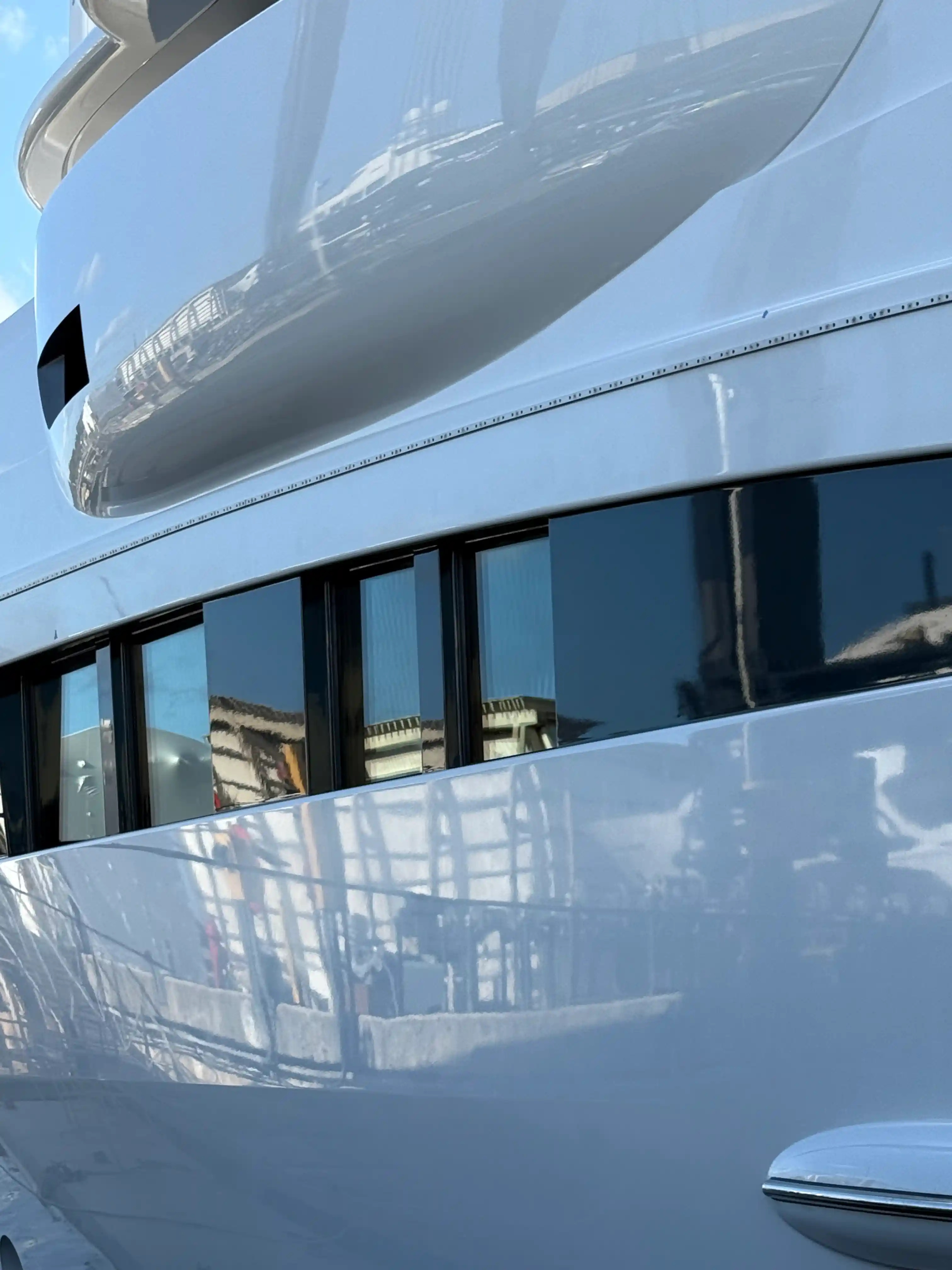
Topside paint covers all areas above the waterline—hull sides, deck and cockpit. There are three main types of topside paint: one‑part polyurethane, two‑part polyurethane and alkyd enamel. These differ in ease of application and durability:
One‑part polyurethane
One‑part polyurethane is popular with DIY boat owners. It flows out smoothly when brushed or rolled and requires no mixing. The simplicity allows amateurs to achieve a professional‑looking finish. One‑part polyurethane is compatible with most existing topside coatings, making it a safe choice when you do not know the previous paint type. However, it is not as hard or long‑lasting as two‑part systems.
Two‑part polyurethane
Two‑part polyurethane paints consist of a base and a curing agent. They produce the hardest, shiniest and most durable finish. Professionals often spray these coatings to achieve a mirror‑like gloss. Two‑part products applied with a spray gun provide a finish that lasts for years. The downside is that they require precise mixing, special equipment and controlled conditions, so novices may find them challenging.
Alkyd enamel
Alkyd enamels are oil‑based paints that are very easy to use because they can be brushed without mixing. They are compatible with the natural oils in wood and are therefore a good choice for wooden boats. Their drawback is reduced durability and gloss compared with polyurethane or epoxy paints.
Choosing for fiberglass boats
Painting fiberglass boats is similar to painting wood, but the type of paint matters. Single‑part enamel paints are cheapest and easiest to apply but have poorer UV and gloss retention. Single‑part polyurethane paints are easy to use and maintain a lasting gloss. Two‑part polyurethane paints give the longest‑lasting, highest‑gloss finish but require an epoxy primer and careful mixing.
Epoxy primers and barrier coats
Epoxy coatings serve as the foundation for many marine paint systems. These paints are two‑part coatings that cure into a very hard, durable and highly adhesive film. Because of their excellent water resistance, they are widely used as:
-
Barrier coats on fiberglass hulls to prevent osmosis and blistering.
-
Primers on steel and aluminium to prevent corrosion and to provide a strong base for topcoats.
-
Bilge coatings, where resistance to water, oils and fuels is essential.
Epoxy primers must be protected from sunlight because they chalk when exposed to UV; they should be over‑coated with polyurethane or another UV‑stable paint.
Antifouling paint: protecting the bottom
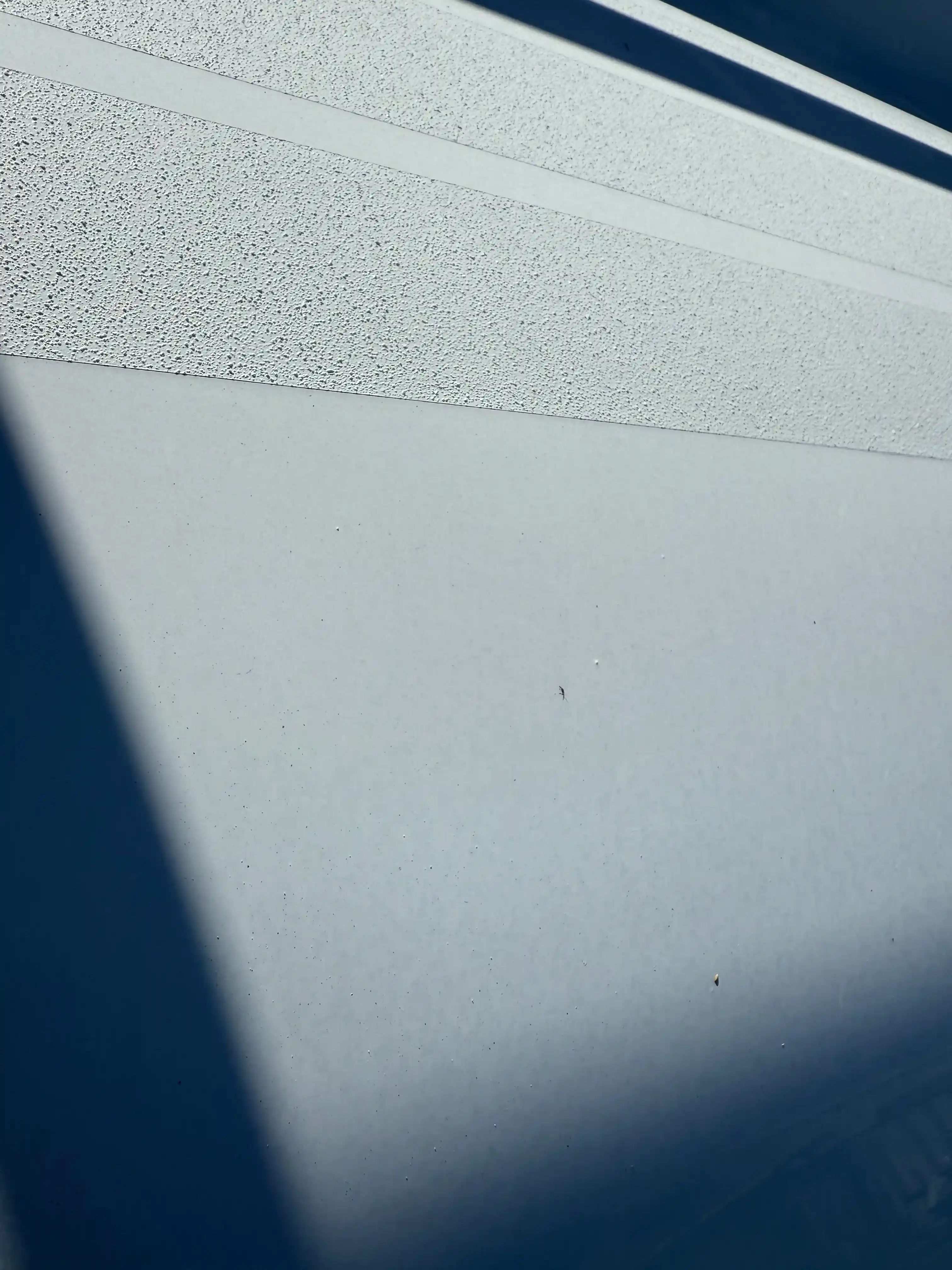
Below the waterline, boats need special coatings to prevent organisms from clinging to the hull. Antifouling paints contain biocides (often copper compounds) that leach out slowly to deter barnacles and algae. Bottom paints can be divided into several types:
Copolymer ablative paints
Ablative paints wear away gradually like a bar of soap, continually exposing new biocide. Copolymer paints such as Interlux Micron CSC or Pettit Odyssey HD provide multi‑season protection because they keep releasing biocide as long as a reasonable coating thickness remains. Because they rely on water friction to activate biocide release, they are best for boats that are used regularly. When hauled out, they retain antifouling power, making them suitable for trailered boats or seasonal haul‑outs.
Hard modified‑epoxy paints
These paints contain high amounts of copper and adhere tenaciously to the hull. They leach biocide steadily at first, then gradually lose effectiveness, leaving a hard shell. They are recommended for high‑fouling waters or high‑performance boats because they can be burnished smooth. However, they oxidize and lose effectiveness when hauled out and may require complete removal after several seasons.
Hard vinyl paints
Vinyl paints are another contact‑leaching antifouling option. They create a hard, smooth surface but lose effectiveness when stored out of the water. They are suited to boats that stay in the water most of the time, particularly racing vessels that benefit from a slippery hull.
Water‑based and “go‑fast” paints
Water‑based antifouling paints emit fewer volatile organic compounds and are easier to clean up; they appeal to eco‑conscious boaters and are available in ablative and hard formulas. For maximum speed, thin‑film vinyl paints with PTFE (e.g., Interlux VC 17m) or additive‑rich hard paints (e.g., Pettit BlackWidow) can be burnished to a slick surface, making them popular with racers.
Aluminum boats and outdrives
Aluminium hulls require special care. Avoid applying antifouling paint that uses cuprous oxide to aluminium surfaces because galvanic corrosion can occur. Instead, choose paints that use cuprous thiocyanate or non‑metallic biocides such as Econea. Examples include Interlux Trilux 33 and Pettit Vivid. Always prime aluminium with an epoxy primer before applying antifouling paint.
Regional fouling differences
The fouling pressure varies with location. Ask other boaters in your marina to find out which paints perform well in your area. A high‑copper paint may be appropriate in warm, tropical waters but would be overkill in cold or freshwater regions.
Selecting paint for different boat materials
Fiberglass
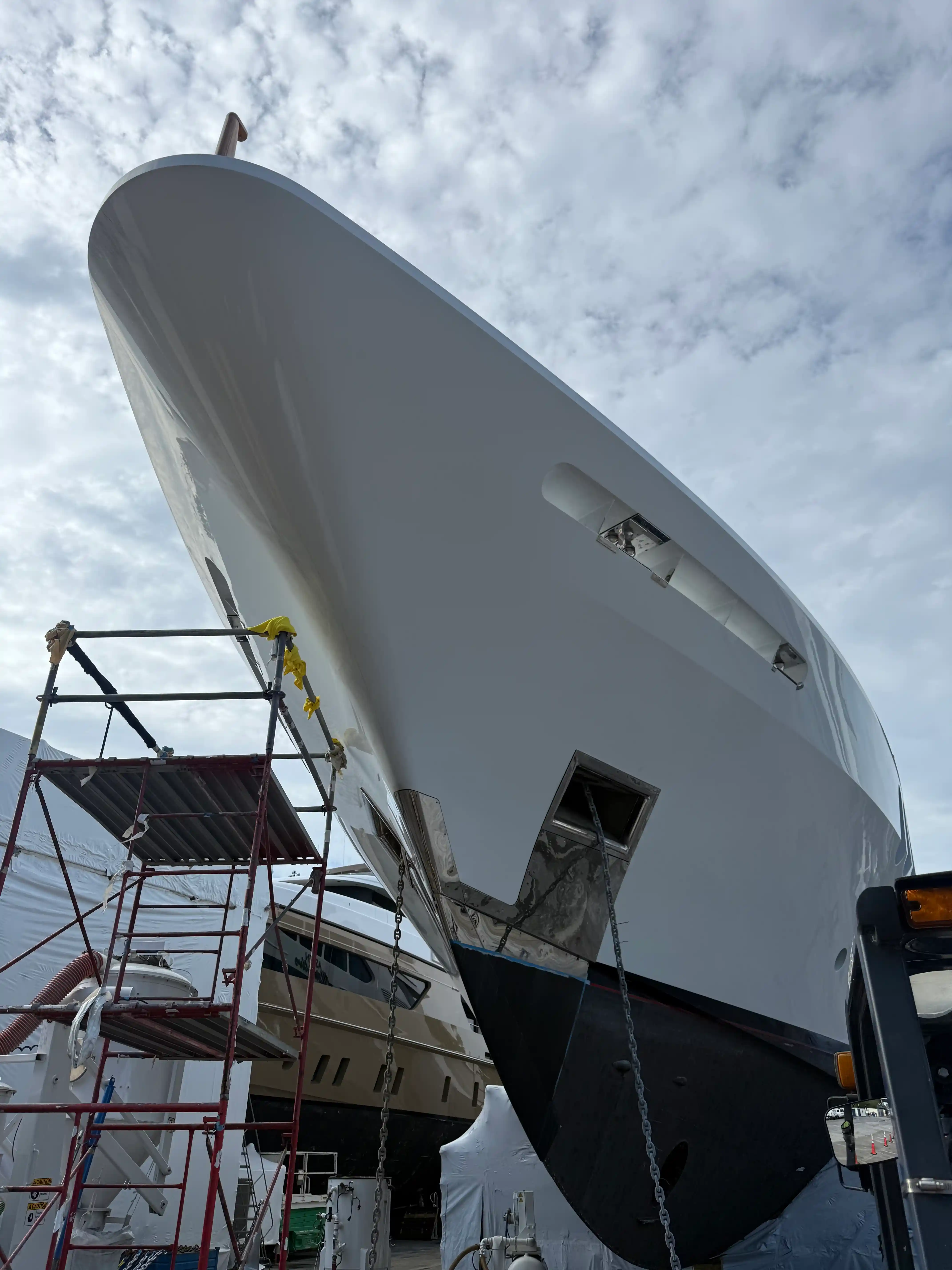
Fiberglass hulls are the most common. The best finish results from professional spray application, but DIY boaters can still achieve good results by properly preparing and painting. Use:
-
Epoxy primer to seal the fiberglass and create a base for topcoats.
-
Polyurethane topcoat (single or two‑part) for gloss and UV protection.
-
Antifouling paint below the waterline (ablative or hard, depending on use).
De‑waxing is critical; even a small amount of wax will prevent paint from adhering. Use acetone or a dedicated wax stripper and sand thoroughly before priming.
Wood
Wooden boats flex more than fiberglass, so they need flexible coatings. Alkyd enamels and single‑part polyurethanes remain popular for wood because they accommodate movement and are easy to touch up. When using epoxies on wood, choose formulations designed for wood and avoid very rigid barrier coats, which can crack as the timber moves.
Aluminium
For aluminium hulls and outdrives, start with a zinc‑rich epoxy primer to prevent corrosion. Follow with a compatible polyurethane or acrylic topcoat. Only use copper‑free antifouling paint with cuprous thiocyanate or Econea.
Steel
Steel vessels require aggressive corrosion control. Apply a heavy‑duty epoxy primer and barrier coat, followed by a two‑part polyurethane topcoat. For the bottom, choose a hard or ablative antifouling paint compatible with the primer. Regular inspection and touch‑ups are essential because bare steel will rust quickly.
Application tips and surface preparation
Proper preparation accounts for most of a successful paint job. The general sequence is:
-
Remove hardware such as rails and cleats.
-
Repair imperfections by filling chips and gouges.
-
Wash, de‑wax and sand the surface thoroughly; de‑waxing is vital for fiberglass.
-
Apply primer and paint according to the manufacturer’s instructions. When rolling, have one person roll out the paint and another follow with a brush (“roll and tip”) to remove roller marks.
-
Apply multiple thin coats, allowing proper cure time between coats.
For non‑skid decks, regular paint will fill the pattern and wear unevenly. Use textured compounds that contain grit or rubber pellets to renew non‑skid surfaces. Use the roller specified for these materials and follow the product instructions.
Bottom paint application
Painting the bottom is easier than painting topsides. If applying to bare gelcoat, prep the surface by de‑waxing and sanding; if repainting, remove loose paint and lightly sand. Bottom paint is usually rolled on (tipping isn’t necessary because it will be underwater). Some paints have a launch window: they must be launched within a specified time after painting.
Rolling vs spraying
Rolling and brushing is cost‑effective and gives good control but takes more time and produces a slightly more textured finish. Spray painting is faster and produces a smoother surface but requires more equipment, skill and ventilation. DIY boaters often use the roll‑and‑tip method for topsides and large panels.
Environmental considerations and regulations
-
Biocide regulations: Antifouling paints use biocides that are regulated to limit environmental impact. Always select a product approved for your region and intended water type (saltwater vs freshwater).
-
Copper restrictions: Some waterways restrict copper‑based paints due to environmental concerns. Copper‑free paints using Econea or other biocides are increasingly available.
-
Eco‑friendly options: Water‑based paints release fewer volatile organic compounds and are easier to clean up, offering a greener alternative.
-
Weather conditions: Paint when temperature and humidity fall within the product’s specified range, and avoid windy or dusty conditions.
Marine paint systems are complex, but understanding the basic categories will help you choose products that suit your boat and boating conditions. Start with a good epoxy primer for adhesion and corrosion protection, select a topside coating (one‑part polyurethane for ease, two‑part polyurethane for durability, or alkyd enamel for wood), and choose an antifouling paint that matches your usage and water type. Prepare the surface meticulously—clean, de‑wax and sand—and apply multiple thin coats, following manufacturer instructions. Consult local boaters or professionals for region‑specific advice, and always observe environmental regulations. With the right products and careful application, your boat will look great and stay protected for many seasons.
Ready to restore your yacht’s shine?
Explore Eminent Yacht Care’s professional paint correction services and bring back that showroom sparkle—click here to learn more
Recent Posts
- Created at : 16 December 2025
- Created at : 16 December 2025
- Created at : 29 November 2025